Engineered for constant-pressure stability, rapid deployment, and high-efficiency air delivery under extreme workloads.
Unlike conventional axial fans that displace air parallel to the shaft, centrifugal fan balloon blowers utilize a dynamic radial design. Air is drawn into the center of a rotating impeller and accelerated outwards by centrifugal force at a 90-degree angle. This transition is essential for building static pressure, which is the force required to overcome resistance and sustain high-volume structures.
When deploying dynamic systems like promotional tube men or large structural arches, maintaining the correct static pressure prevents collapsing. The kinetic energy generated by the rapidly spinning impeller is converted into static pressure inside a curved scroll housing. Choosing the appropriate impeller design directly impacts the operational lifespan and electrical efficiency of the system:
| Impeller Geometry | Static Pressure Rating | Thermal & Energy Efficiency | Optimal Application |
|---|---|---|---|
| Forward-Curved Blades | Moderate to High | Balanced (60-65% efficiency) | Residential bounce houses, small advertising arches |
| Backward-Inclined Blades | High Static Pressure | High (75-84% efficiency; non-overloading) | Commercial inflatable tents, continuous outdoor arenas |
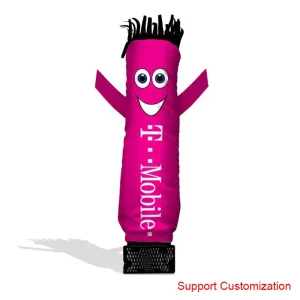
| Radial-Blade Configuration | Maximum Pressure Output | Moderate; rugged design | Industrial sealed inflatables, tall sky dancers |
An inflatable structure functions like a pressure vessel with controlled leaks. The blower's performance curve must intersect with the structure's system resistance curve. Using a fan with inadequate static pressure results in a soft, unstable structure, while excessive pressure can damage the seams. Advanced manufacturers run fluid dynamics simulations to match impeller geometry with structural venting rates.
Procuring industrial-grade centrifugal fan blowers involves managing several technical and logistical variables. For procurement officers and distributors, selecting a reliable partner is critical to project performance. Key sourcing considerations include:
Centrifugal blowers serve as the core power source for a wide range of temporary and permanent installations. Designing an effective air-distribution system requires a clear understanding of the specific application requirements:
These systems require continuous high-velocity air movement. Because of the rapid cycling and constant whipping motion, the blowers experience fluctuating back-pressures. High-efficiency single-phase motors equipped with robust capacitors are used to manage these voltage spikes without overheating.
Unlike dynamic air dancers, structural tents demand constant pressure and quiet operation. Manufacturers achieve this by using sound-dampening scrolls, multi-stage speed controllers, and low-decibel backward-curved impellers, maintaining structural integrity while keeping noise levels below 65dB.
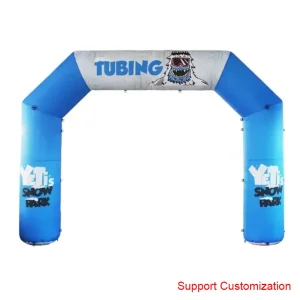
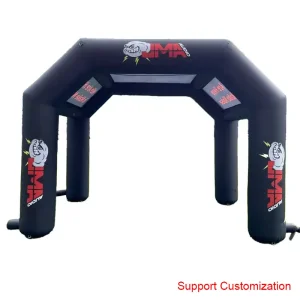
Large structures like starting arches and sports domes require substantial volume during setup and constant pressure maintenance throughout the event. In these scenarios, dual-blower setups are common, utilizing a primary blower for inflation and a secondary, energy-efficient fan to maintain the required pressure.
The industrial blower market is shifting toward smarter, more sustainable technologies. In response to changing regulations and rising energy costs, companies are focusing on three main areas of innovation:
Compliance with international safety standards is essential for smooth import processes and liability protection. High-quality centrifugal fan balloon blowers must adhere to strict regulatory frameworks:
Electrical and Fire Safety: Components must be UL 507 (standard for electric fans) and CSA C22.2 certified for North America, or CE/GS compliant for the European Union. Standard safety features include built-in thermal overload protectors, which cut power to the motor if temperatures exceed safe limits.
Environmental Protection: To ensure long-term durability in outdoor environments, units undergo salt spray tests, UV degradation checks, and IP44 moisture-resistance testing. This ensures the housing won't crack under intense sunlight and the electrical components remain protected in damp conditions.
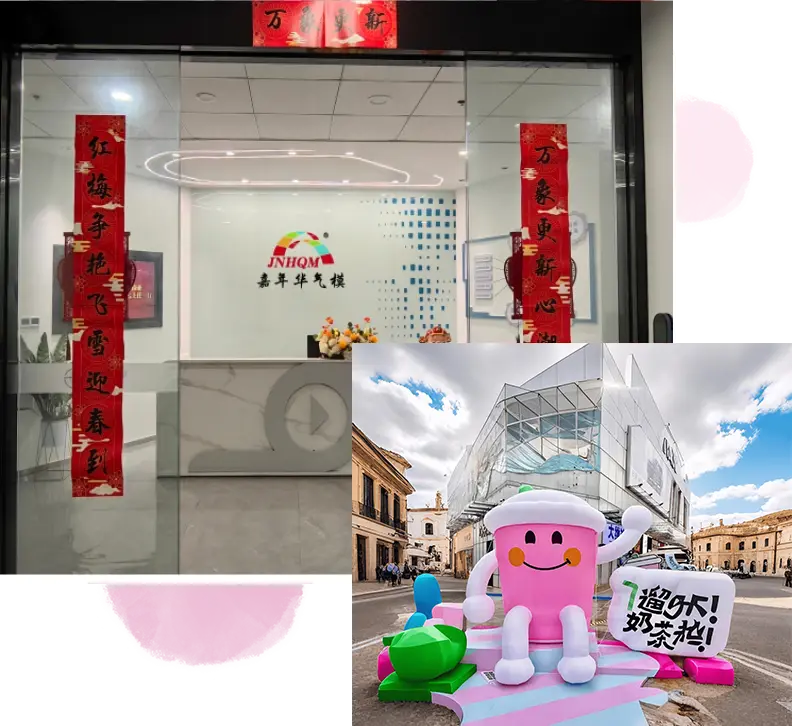
Zhengding Carnival Inflatable Model Co., Ltd. is a professional manufacturer specializing in the R&D, design, production, sale, and servicing of premium inflatable systems and high-pressure blowers. Backed by over 8 years of manufacturing experience, our team utilizes advanced production technology and a strict quality management system to deliver reliable, high-performance equipment to customers worldwide.
We supply high-efficiency centrifugal fan blowers, custom marketing arches, durable outdoor tents, and interactive games designed to perform reliably in demanding commercial environments.
Adhering to the principle of "Quality First, Customer First" with end-to-end design and engineering support.

All products are built to meet international industry standards, backed by comprehensive testing and certification.
We offer robust support with warranties, replacements, and returns for verified manufacturing issues.

Access professional installation guides, packaging design support, and ongoing technical consultation.

Receive tailored product selection, specification matching, and project design suggestions from our engineers.
We work closely with distributors, event planners, and branding agencies worldwide to deliver reliable, high-performance systems.





Practical tips, maintenance advice, and the latest trends in industrial inflatable design and marketing.
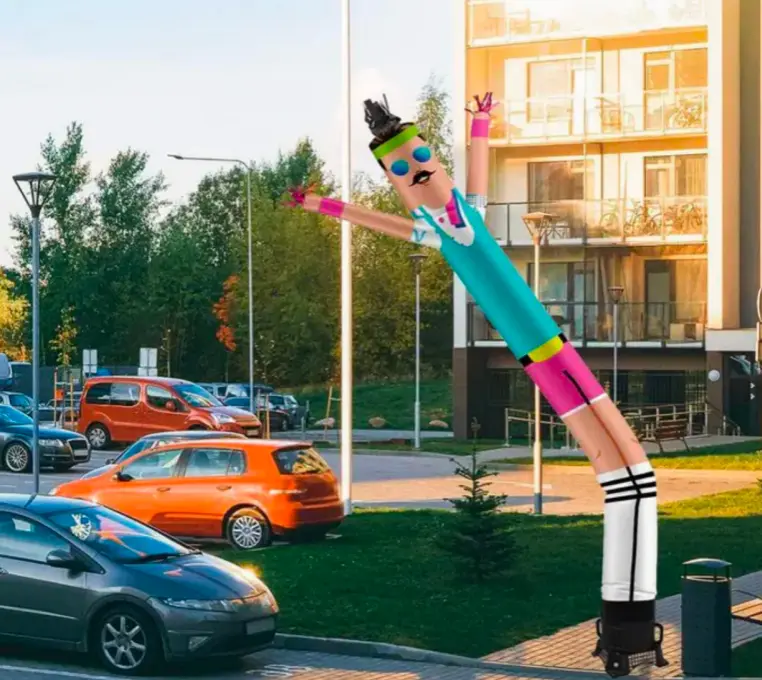
Keep your tube men dancing reliably with regular cleaning, thorough drying to prevent mold, immediate patching of small tears, and pairing them with the correct blower.
Read Full Article →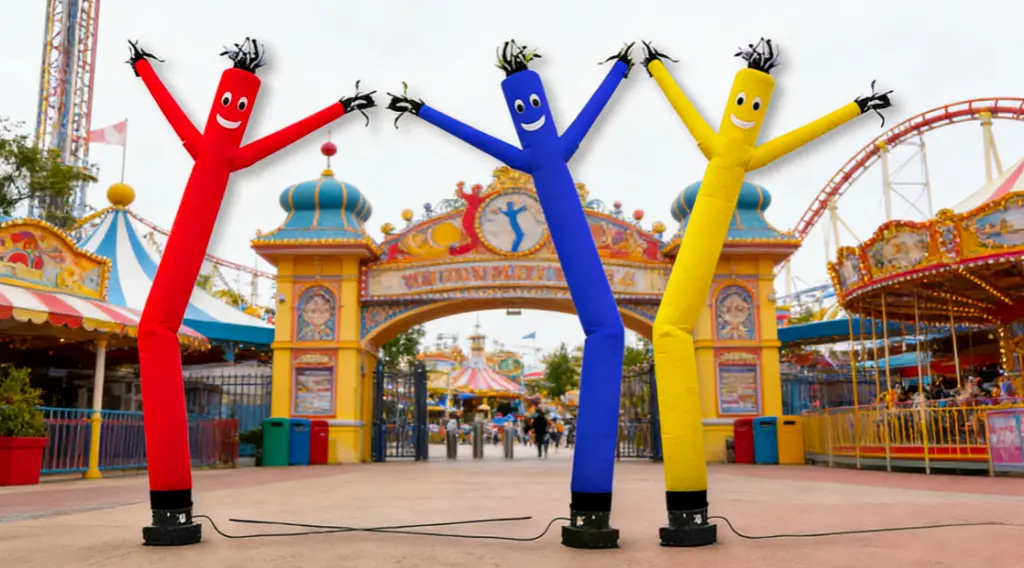
Explore how companies leverage dynamic tube men to guide event foot traffic, increase social media engagement, and create eye-catching landmarks for grand openings.
Read Full Article →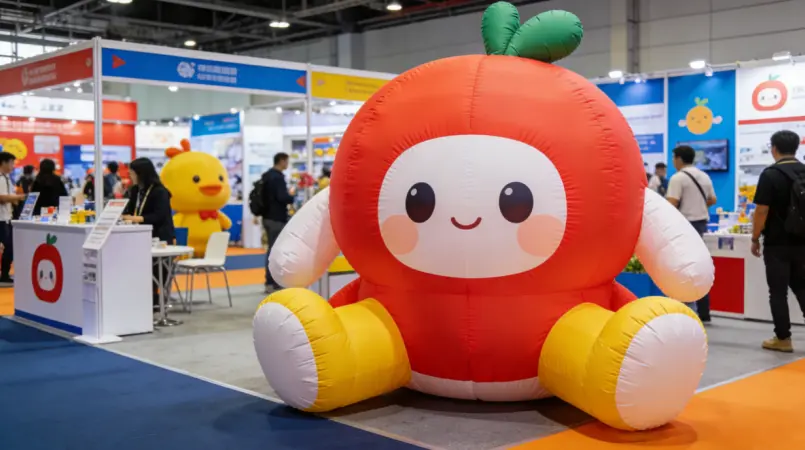
Learn how custom-designed inflatable mascots and product models help brands capture attention, drive booth traffic, and improve marketing ROI at crowded conventions.
Read Full Article →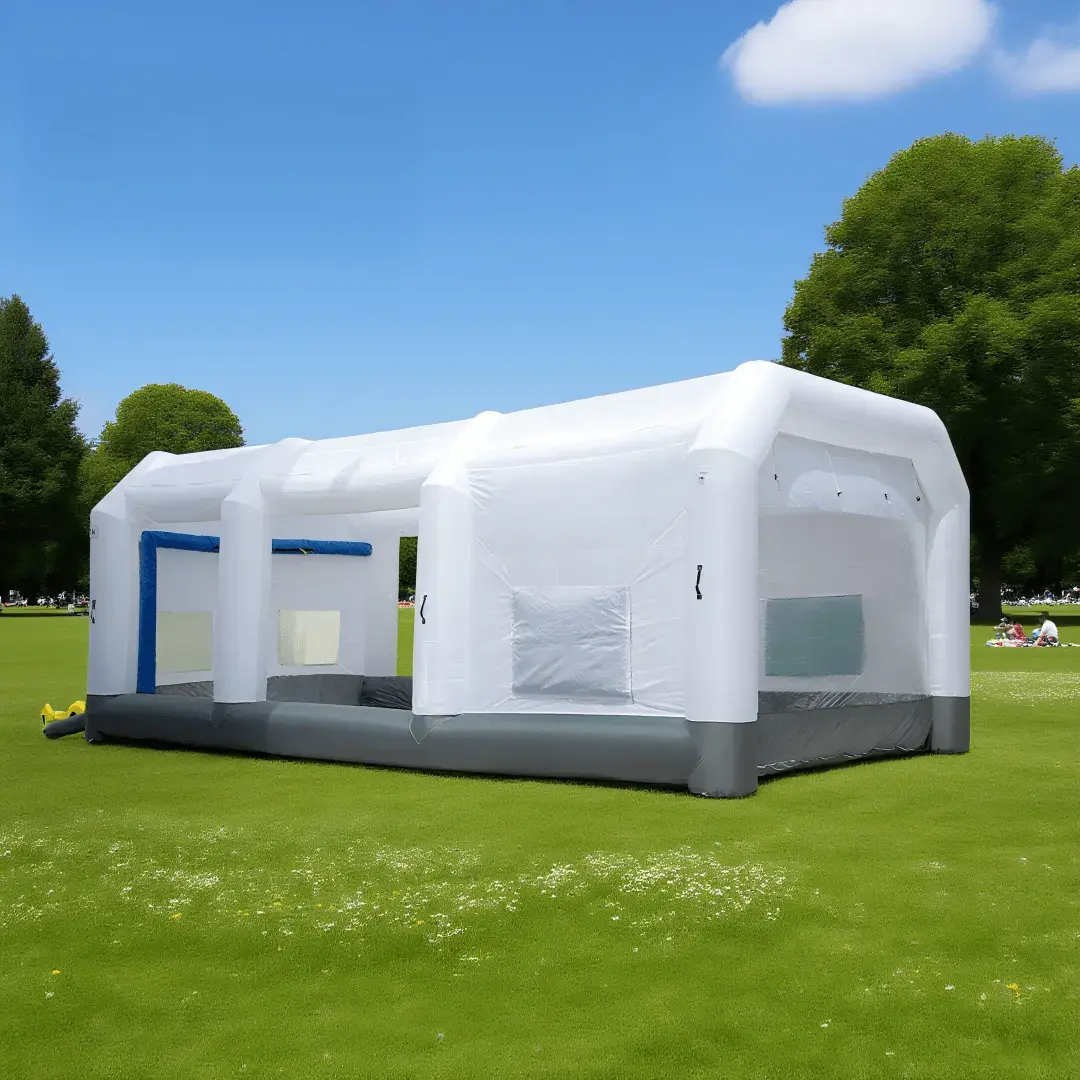
We break down the pros and cons of inflatable versus metal-frame tents, focusing on setup times, wind resistance, shipping volumes, and overall operating costs.
Read Full Article →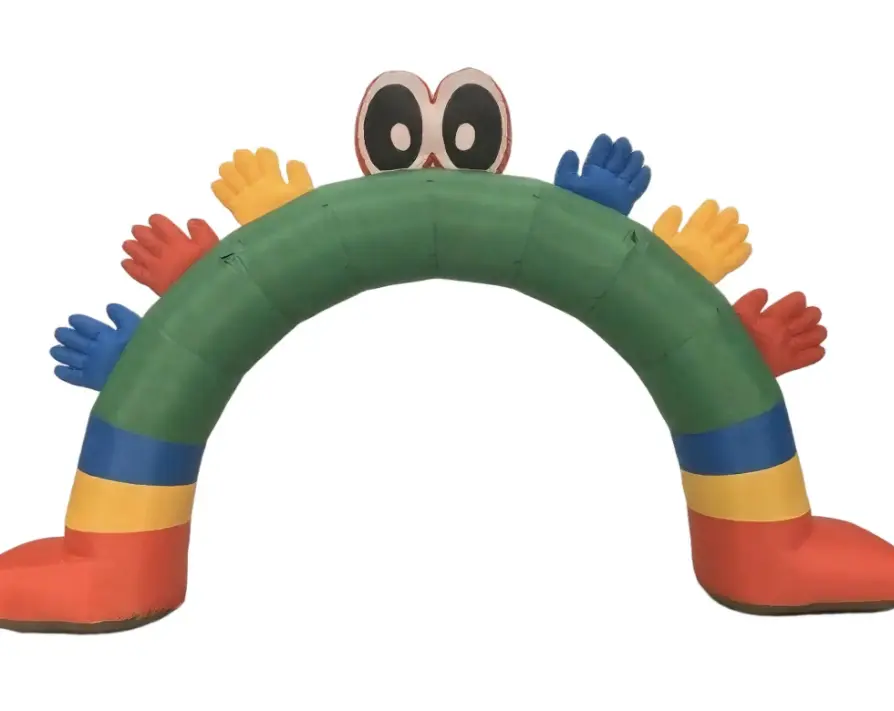
From integrated LED lighting systems to removable banners for sponsorship changes, learn how to design highly versatile inflatable arches.
Read Full Article →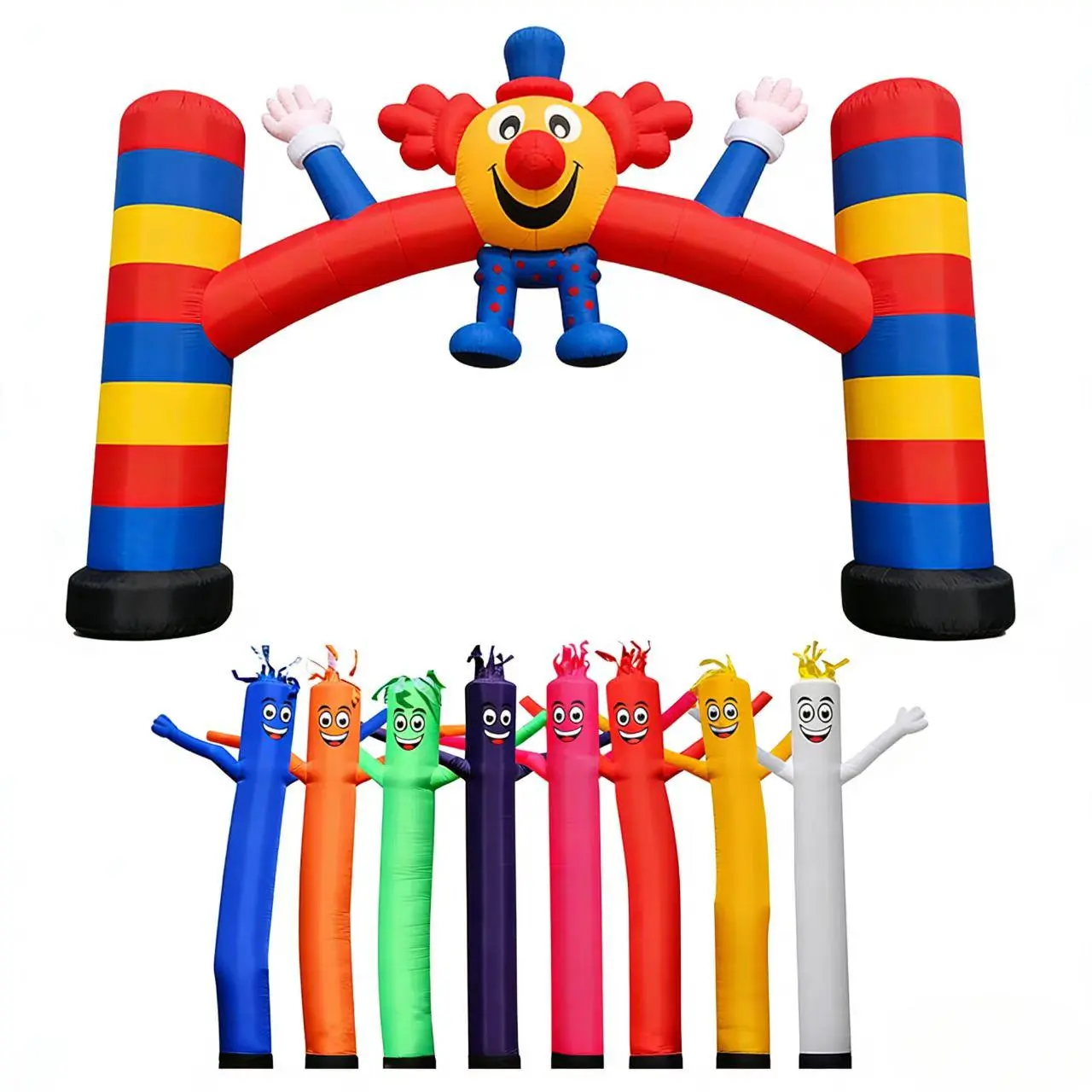
A deep dive into real-world case studies showing how dynamic displays and high-output blowers work together to improve store visibility and drive foot traffic.
Read Full Article →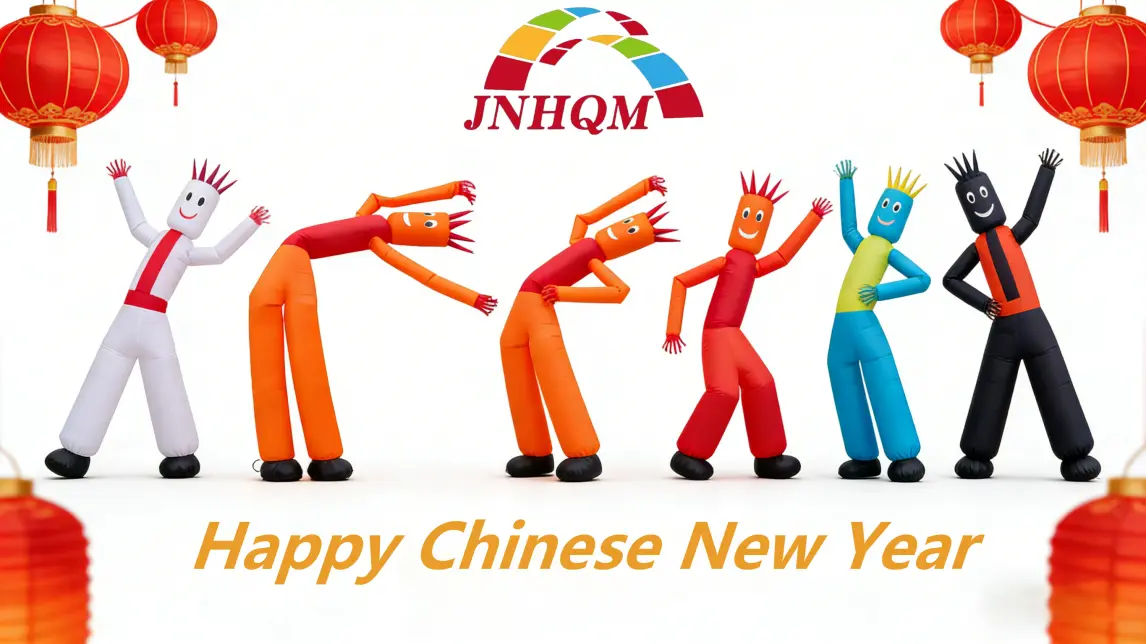
Discover how retail centers, community events, and public spaces use large decorative displays to create engaging, photo-friendly seasonal installations.
Read Full Article →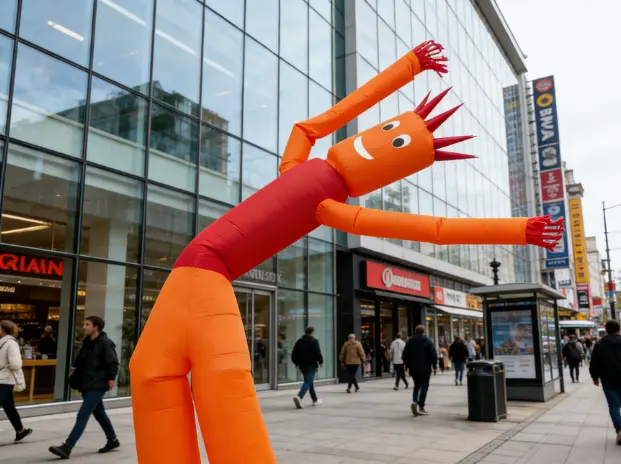
Low-cost models often use thin, non-ripstop nylon and inefficient motors, which can lead to higher power bills and frequent replacements. We look at the total cost of ownership.
Read Full Article →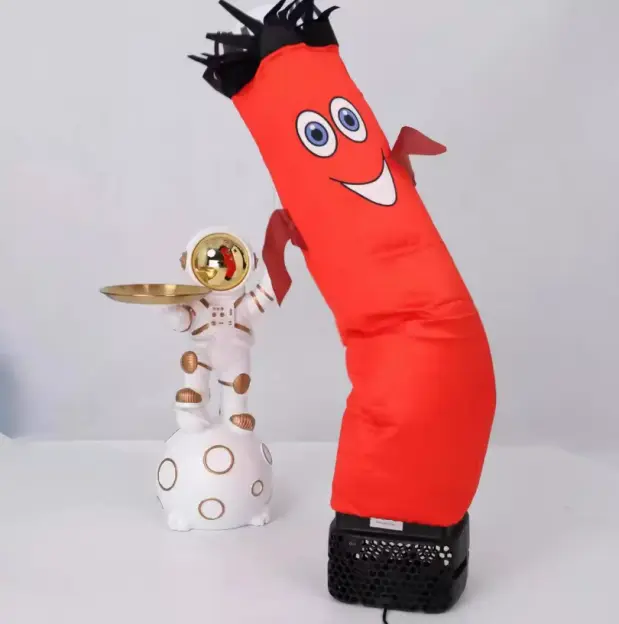
Miniature tabletop dancers are highly effective for retail checkouts and promotional tables. Learn how to design engaging point-of-sale displays.
Read Full Article →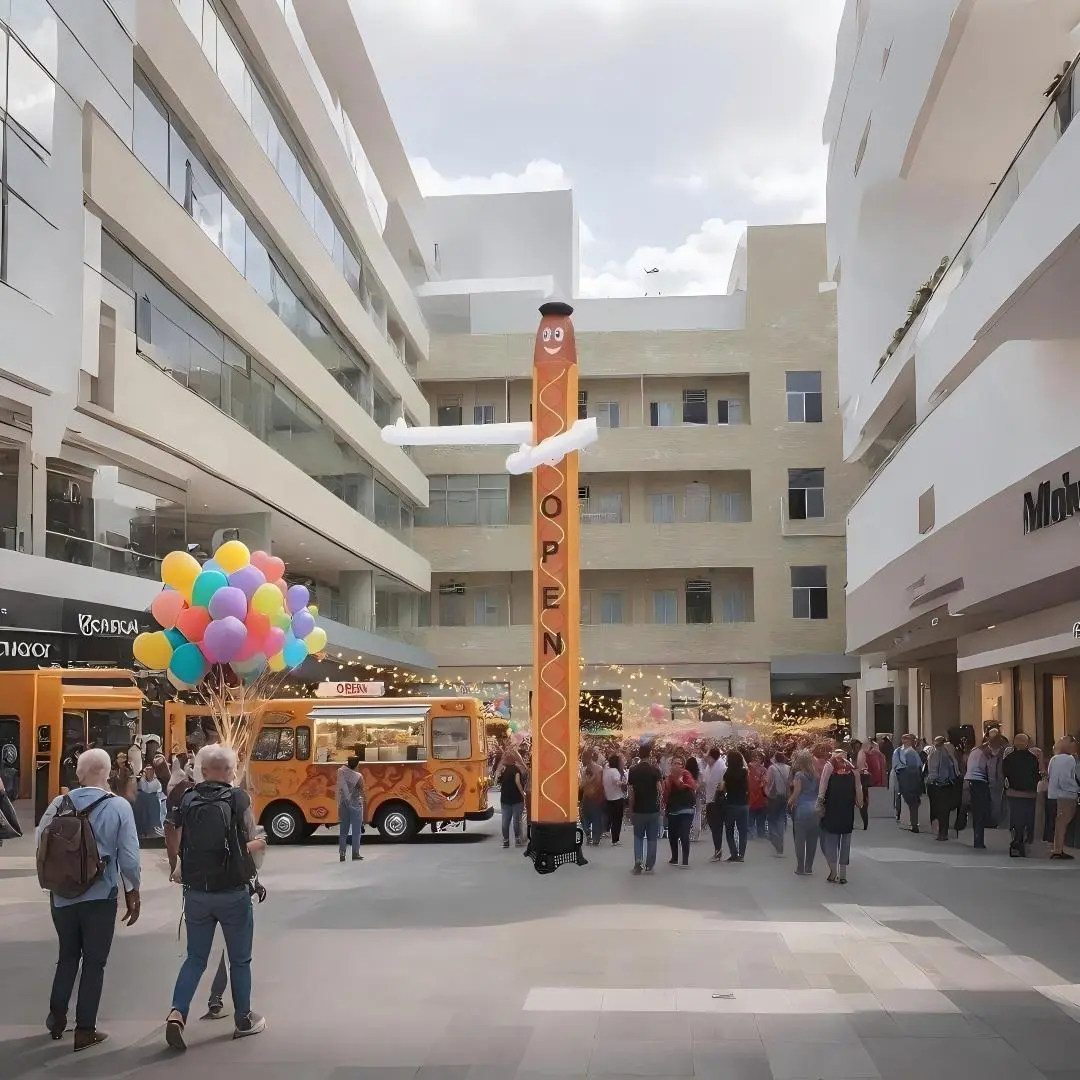
An overview of safety guidelines, covering structural anchoring, local permitting, electrical safety, and daily inspections to ensure safe public use.
Read Full Article →Answers to common technical, design, and regulatory questions from global buyers.
Centrifugal blowers excel at generating high static pressure, which is necessary to push air through tight seams and hold up heavy vinyl structures under wind load. Axial blowers move large volumes of air but cannot handle significant back-pressure, making them less suitable for large or heavy commercial inflatables.
The power requirements depend on the inflatable's volume and seam length. Standard air dancers typically perform best with 0.5 HP to 1.0 HP blowers. Large event tents, obstacle courses, or structural arches often require high-output 1.5 HP to 2.0 HP blowers capable of maintaining static pressure under heavy external loads.
Yes, our blowers are manufactured to comply with target market regulations. We supply UL- and CSA-certified motors for the North American market, CE and GS certifications for European buyers, and SAA certifications for Australia. Custom plug types and voltage profiles are specified during the ordering process.
We use injection-molded, impact-resistant High-Density Polyethylene (HDPE) or glass-fiber reinforced PP. These materials are selected for their durability, impact absorption, and resistance to environmental cracking, ensuring they withstand rough transport and heavy outdoor use.
Lead times depend on the size of the order. Standard wholesale models are typically ready to ship within 15 to 20 business days. Custom OEM/ODM designs—including custom branding, unique housing colors, or non-standard electrical configurations—typically require 30 to 45 days.
Explore our full line of inflatable systems and marketing tools, built for easy setup and reliable operation.
Discuss your project requirements, request a custom quote, or schedule an OEM/ODM consultation with our design team today.
Inquire Now Zhengding