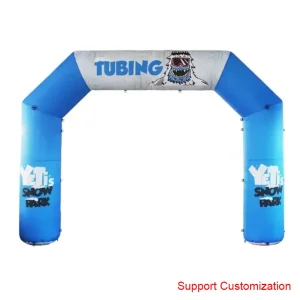
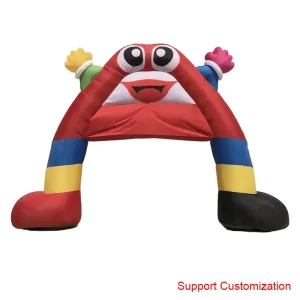
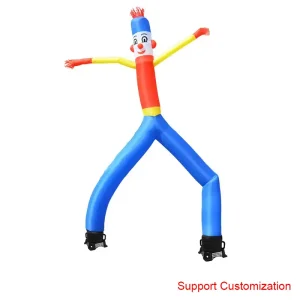
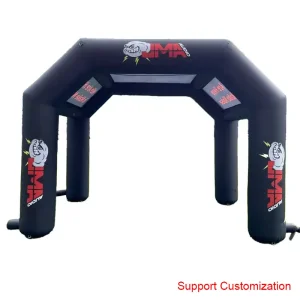
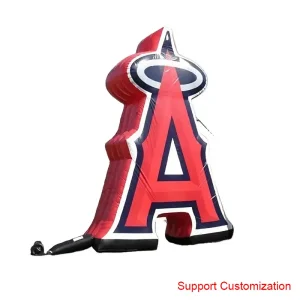
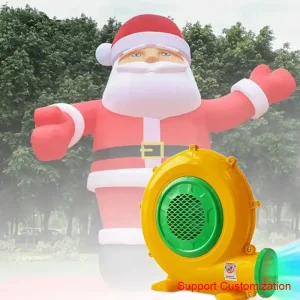
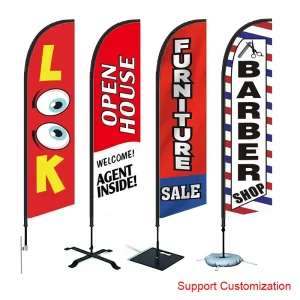
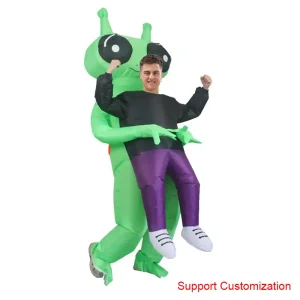
The Canadian event marketing landscape is uniquely defined by its geography and climate. Whether it's a marathon in Vancouver, a winter festival in Quebec, or a retail promotion in Toronto, the demand for inflatable advertising arches and structures has surged. However, the Canadian market is not a "one-size-fits-all" environment. Suppliers must account for specific variables: extreme temperature fluctuations affecting material integrity, and strict safety regulations regarding wind load and fire retardancy (NFPA 701 compliance).
Inflatable structures have transitioned from simple novelty items to essential commercial infrastructure. For Canadian businesses, the "Total Cost of Ownership" (TCO) is the primary driver. Canadian buyers are moving away from cheap, disposable imports toward high-durability, cold-resistant PVC coated tarpaulin solutions that can withstand the rigors of the Canadian outdoor environment.
We are observing a shift towards "Smart Inflatables." This includes integrated LED lighting for night events, modular designs for rapid reconfiguration, and AI-optimized blower efficiency systems. The future of the inflatable arch sector lies in sustainability—utilizing recycled base materials without compromising the structural tension required for heavy-duty events.
Procuring for the Canadian market requires an understanding of regional bylaws. From municipal permits for large-scale outdoor advertising to engineering standards for public event safety, successful deployment depends on certifications. Reliable suppliers provide documentation for material strength, wind stability tests, and electrical safety (CSA-approved blowers), which are non-negotiable for commercial procurement in Canada.
A: When procuring, ensure the supplier provides structural stability reports. Always implement professional-grade anchoring systems (ground stakes or sandbags) rated for the specific wind conditions of your event location.
A: Yes, global suppliers can provide blowers compliant with North American 110V-120V standards with CSA or UL certification, ensuring plug-and-play capability for your Canadian events.
A: Manufacturing usually takes 7-14 days, followed by air or sea freight depending on the order size and deadline. We recommend planning your procurement cycle at least 45-60 days before the event date to account for logistics.
 Zhengding